Why Great Ball Handlers Don’t Actually Dribble That Much

Why Great Ball Handlers Don’t Actually Dribble That Much

Posted August 27, 2026 by North City Bruins Staff

One of the biggest habits young players develop is dribbling without a reason.

They catch the ball and start going side to side. They go through the legs three or four times. They dribble in circles near the three-point line. The ball is moving, but the play is not.

At first, that can look impressive. But in real basketball, great ball handlers are not the ones who dribble the most. They are the ones who dribble with the most purpose.

Great ball handling is not about how long you can keep the ball bouncing. It is about using 2 or 3 strong dribbles to create an advantage.

The Difference Between Busy and Effective

A lot of Grade 4 and 5 players think being a good ball handler means showing every move they know.

But endless dribbling usually helps the defence more than the offence. It gives defenders time to recover. It allows help defenders to get into position. It slows down teammates who are trying to cut, run, or get open.

A player can be dribbling a lot and still not actually be creating anything.

Good players understand that the dribble is a tool. It is there to help you attack an open lane, improve your angle, escape pressure, or set up a pass. If the dribble is not doing one of those things, it is probably unnecessary.

2 or 3 Strong Dribbles Can Be Enough

This is something we want young players to learn early.

Often, the best play is not 8 or 10 dribbles. It is 2 or 3 hard, controlled dribbles with a clear purpose.

Maybe it is one strong attack dribble to beat your defender and a second dribble to get all the way to the basket.

Maybe it is two quick dribbles to the middle so the defence collapses and a teammate becomes open.

Maybe it is one escape dribble to create space and then a simple pass.

The number of dribbles matters less than what those dribbles accomplish.

The Problem With Dribbling in Circles

A common issue for young players is using the dribble to avoid making a decision.

Instead of attacking, passing, or moving the ball, they stay outside, dribble side to side, and wait. Sometimes they are hoping something will open up on its own. Sometimes they are just trying to look in control.

But basketball rewards decisiveness.

Dribbling in circles near the top of the key rarely puts pressure on the defence. It usually kills the pace of the possession. It also makes it harder for the rest of the team to stay connected because everyone ends up standing and watching.

If your dribble does not move the defence, change your angle, or get you closer to an advantage, it is probably an empty dribble.

Every Dribble Should Ask a Question

A good way to teach this is simple: every dribble should ask the defence a question.

Can you stay in front of me?

Will you help if I get into the lane?

Will you leave my teammate open?

Can I turn the corner here?

When young players understand that, their dribbling starts to become much more effective. They are no longer bouncing the ball just to keep busy. They are using it to create an advantage.

Strong Dribbles, Strong Body

Dribbling with purpose also means dribbling with strength.

Weak, casual dribbles are easy for defenders to pressure. Strong dribbles help players stay balanced, protect the ball, and attack with confidence.

For Grade 4 and 5 boys especially, this is an important habit. We want them learning to push the ball out in front when they attack, stay low, keep their eyes up, and get their shoulders moving downhill.

Purposeful dribbling is not just about ball control. It is about body control too.

Eyes Up, Read the Floor

Another key part of good ball handling is being able to see what is happening.

If a player is only focused on the dribble move, they usually miss the help defender, the cutter, or the open teammate.

Great ball handlers keep their head up. They can attack, but they can also read. They know when to keep going, when to stop, and when to make the simple pass.

That is what makes them hard to guard. Not because they have the fanciest move, but because they can actually make the right play after the move.

What We Want Our Players to Learn

At North City Bruins, we want our players to become confident with the ball, but also smart with the ball.

We want them to understand that the goal of ball handling is not to put on a show. The goal is to help the team get a better shot.

Sometimes that means attacking the basket with 2 or 3 strong dribbles.

Sometimes it means breaking pressure and advancing the ball.

Sometimes it means drawing help and making the extra pass.

And sometimes it means not dribbling at all.

The best ball handlers are not the ones who dribble the longest. They are the ones who use the dribble with purpose, make quick decisions, and help the whole team play faster and better.
A Silver Medal and a Bruins Milestone

Posted July 27, 2026 by North City Bruins Staff
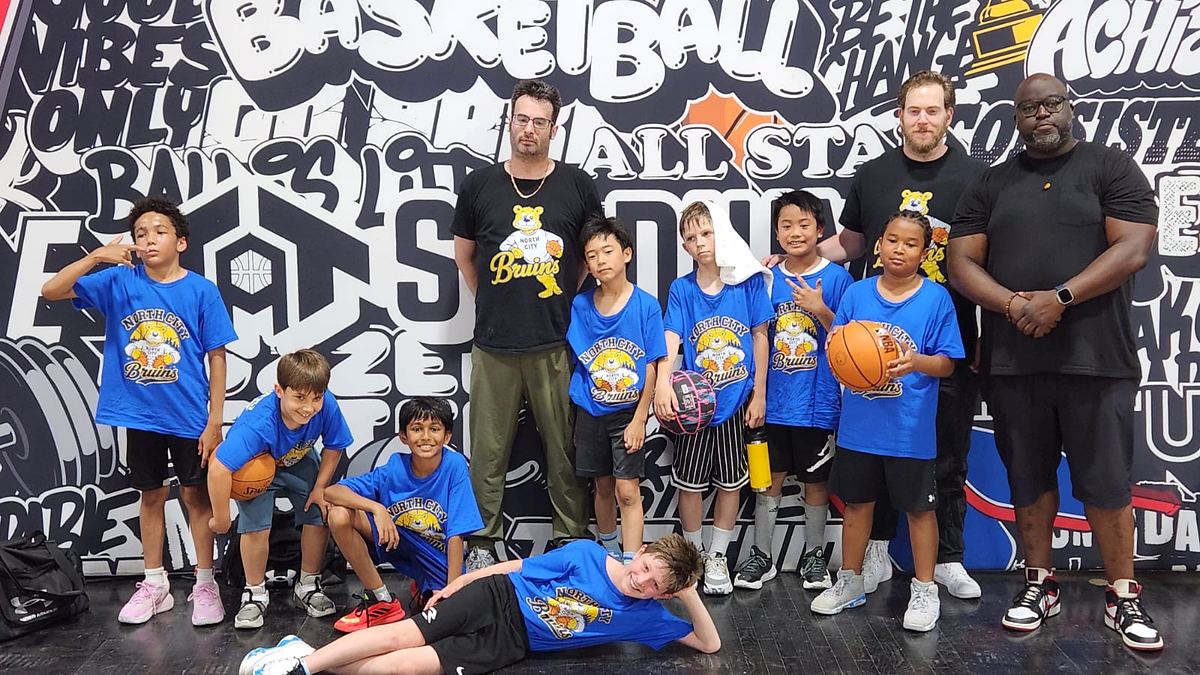
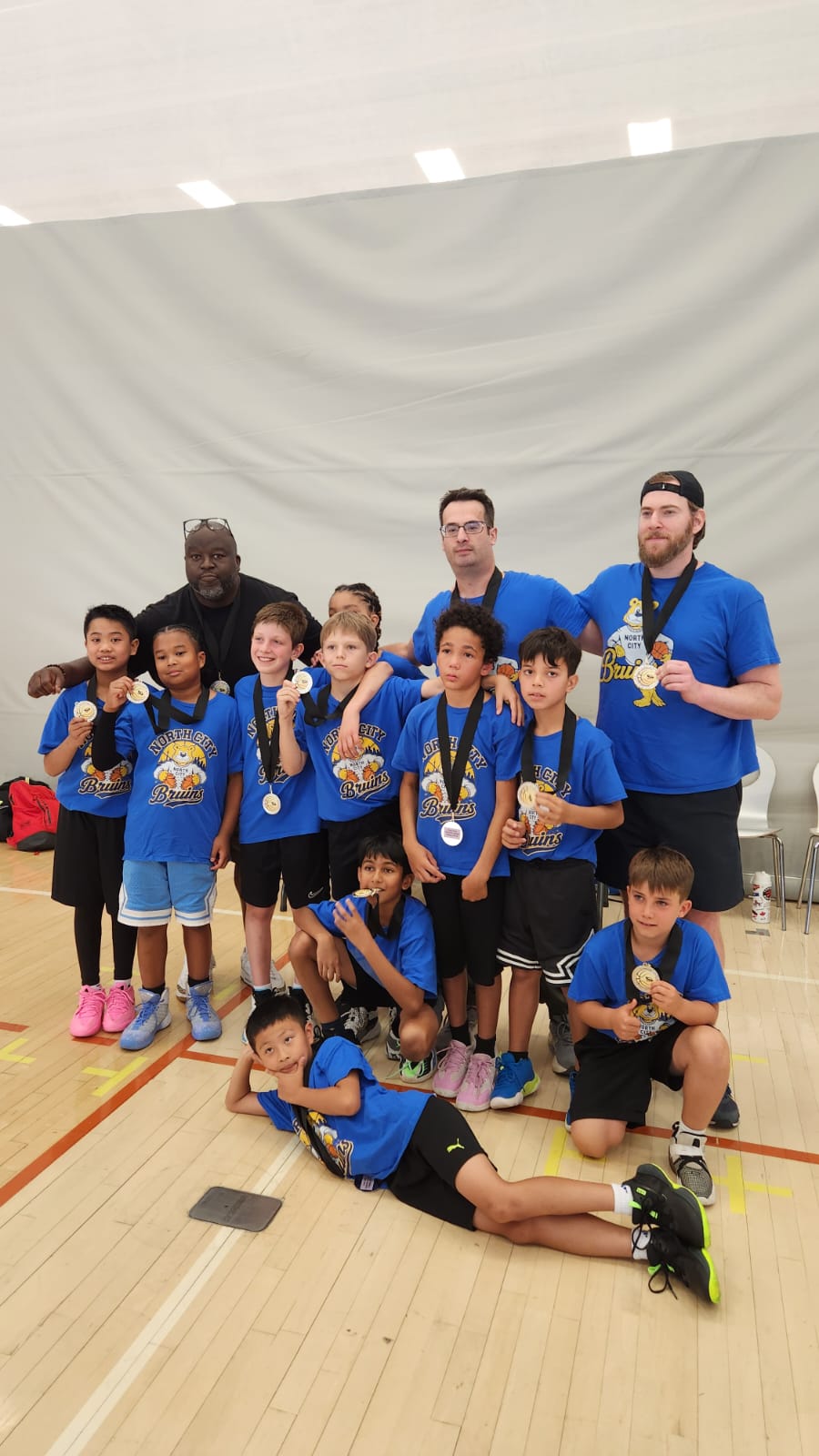
North City Bruins players and coaches celebrating their silver medals
The North City Bruins celebrate the first medal in our program’s history.

The North City Bruins finished their summer rep session with a silver medal—the first team medal in our program’s history.

It was a proud moment for our players, coaches, and families, but the medal represents much more than one tournament result. It reflects how far this team has come, how much the boys have learned, and the way they continued to support one another throughout the season.

This medal belongs to a group that kept learning, competing, and growing together from the beginning of the season until the final buzzer.

A One-Point Final

The gold medal game came down to the final moments, with the Bruins falling just one point short.

Losing such a close game is never easy, especially after giving everything you have. But the boys showed tremendous heart and resilience. They stayed together, continued encouraging one another, and represented the Bruins with pride.

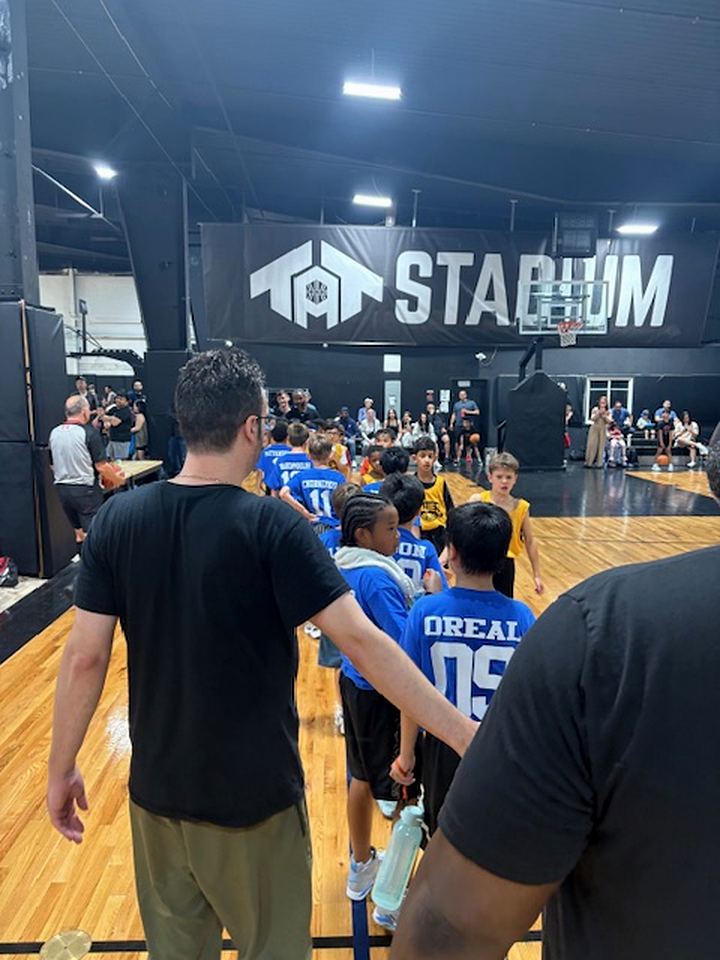
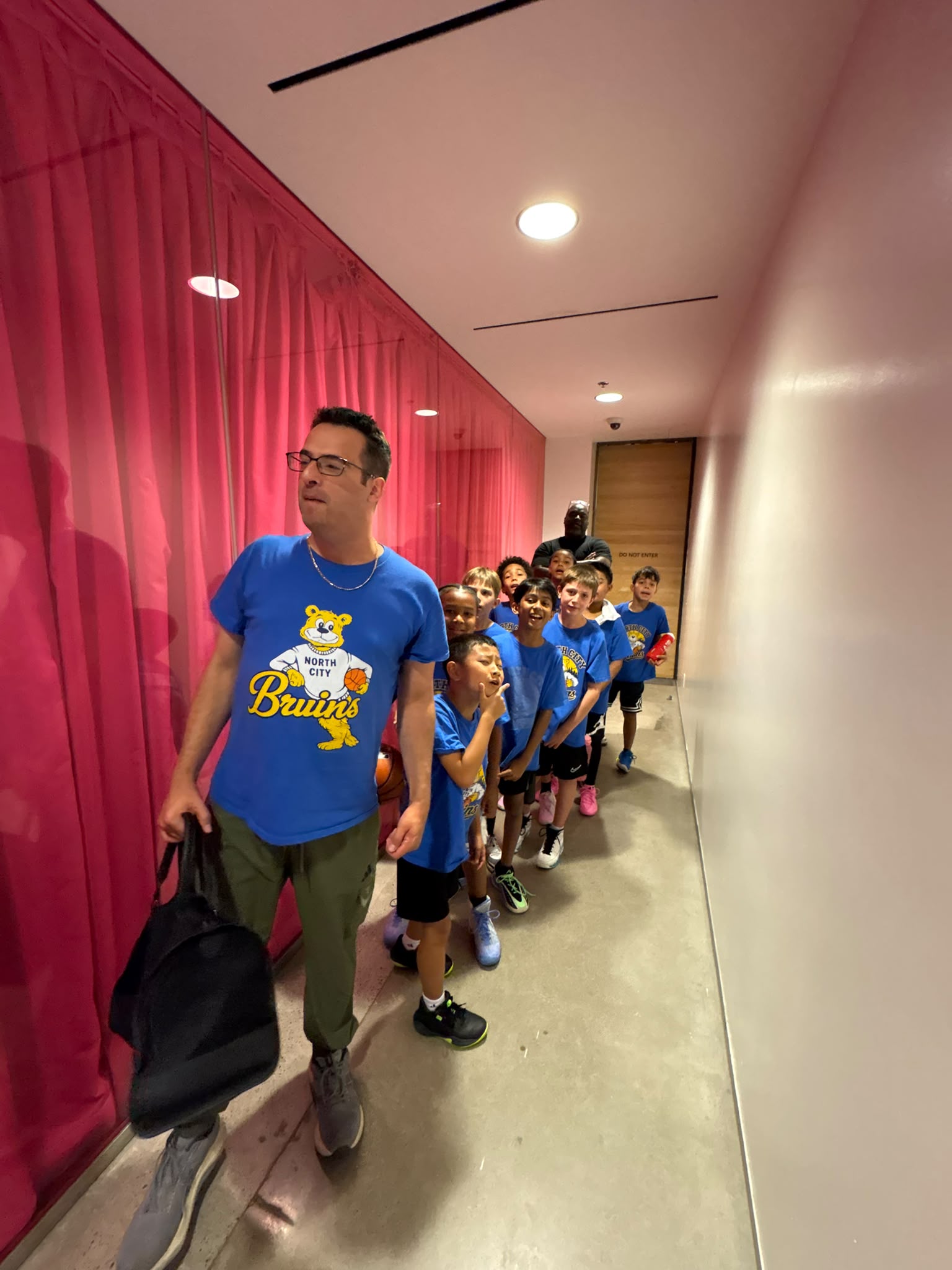
North City Bruins players walking together during their summer tournament
Together before the game, together during the game, and together after it.

How Far They Have Come

At the beginning of the summer, this was a new team learning how to play together. Over time, the boys became better communicators, more confident competitors, and stronger teammates.

They learned how to move the ball, trust one another, respond to pressure, and keep working when a game became difficult. Most importantly, they learned that being part of a team means showing up for each other, whether the result is a win or a loss.

Winning and Losing Together

Basketball will bring many more wins and many more losses. Both are part of becoming a better player and a stronger team.

We want our players to celebrate success with humility and to handle difficult losses with character. When we win, we recognize the work of the entire team. When we lose, we stay together, learn from it, and return ready to improve.

That is exactly what this group showed throughout the tournament. The final score did not change how proud we were of their effort, their growth, or the way they carried themselves.

We celebrate together, we learn together, and we always carry ourselves with humility. That is what it means to be a Bruin.

Just the Beginning

This silver medal is an important milestone for the North City Bruins, but it is also only the beginning.

Thank you to our coaches for their commitment, to our families for their support, and to every player for bringing energy, effort, and heart to the gym throughout the summer.

The boys should be proud of what they accomplished. The first medal in Bruins history belongs to all of them.

A Strong First Weekend for the Bruins

Posted June 8, 2026 by North City Bruins Staff
North City Bruins players and coaches after their first weekend of games

The North City Bruins opened their first weekend with a 2-1 record and a lot to build on.

Across all three games, the team competed hard, stayed focused, and showed real growth from game to game. There were strong individual moments, but the biggest takeaway was how well the group stayed together.

A 2-1 start is a strong result, but the effort, focus, and team-first play were the real highlights of the weekend.

Competing From Start to Finish

The team faced tough stretches throughout the weekend, but they kept responding. They defended with energy, moved the ball, listened to their coaches, and stayed involved from the bench.

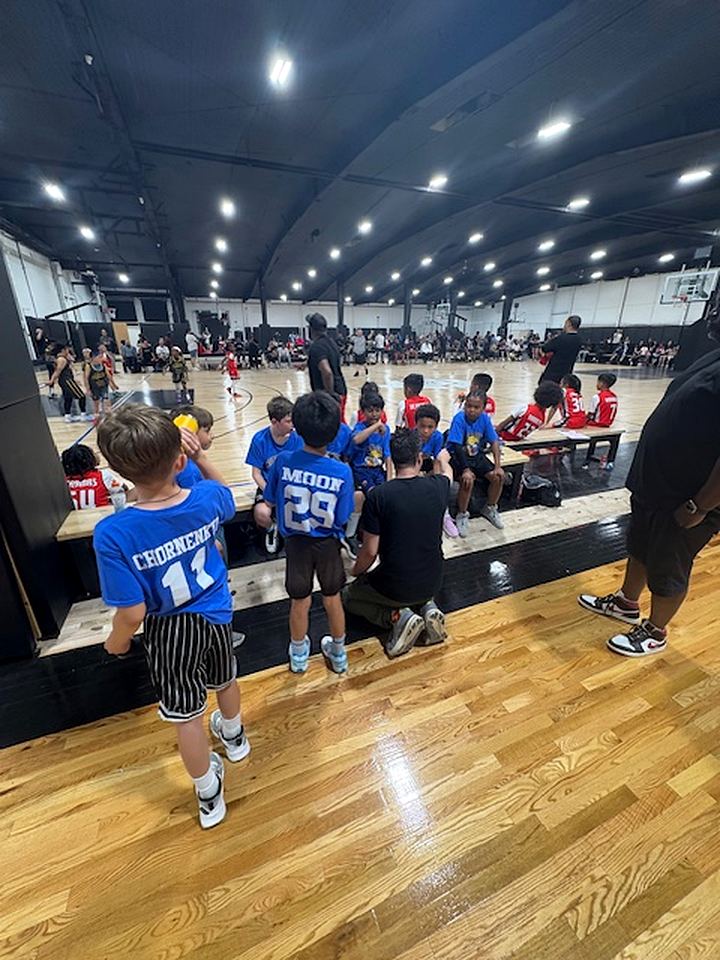
North City Bruins players listening to coaches on the bench during a game

Getting Better Each Game

For a first weekend together, the progress was clear. Players became more comfortable with spacing, communication, and playing through pressure. Each game gave the team something to learn from and carry into the next one.

North City Bruins players and coaches on the sideline during their first basketball weekend North City Bruins players lining up after a game

A Good Start

The 2-1 record is something the team should be proud of, but it is also just the beginning. The weekend showed that this group is ready to compete, learn, and keep improving.

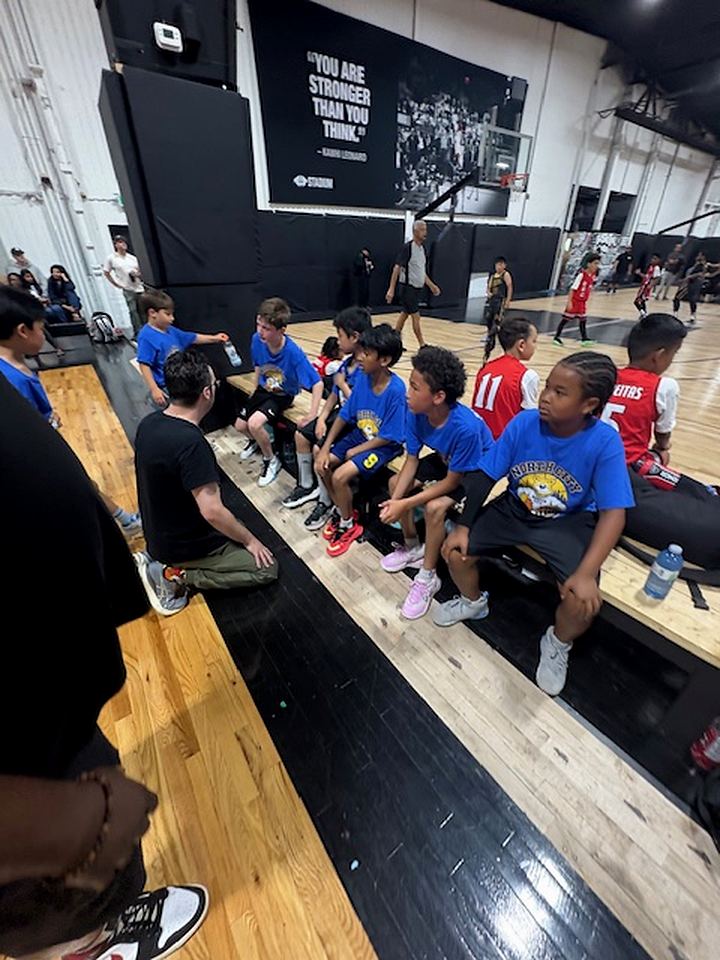
North City Bruins players listening during a team huddle between games

Great first weekend, Bruins. Now back to work.

The Real Advantages of Youth Sports

Posted by North City Bruins Staff

When most people think about youth sports, they think about exercise, competition, and staying active. But the truth is, sports offer something far bigger than wins, losses, and trophies.

For children and teens, sports can help shape confidence, discipline, friendships, emotional resilience, and even brain development. The lessons learned in a gym, on a field, or in practice often become life skills that last forever.

At North City Bruins, we believe youth sports are about much more than the scoreboard. They are about helping young people grow into strong, capable, confident individuals.

The scoreboard only tells you who won that day. Sports help shape who a child becomes over time.

Learning How to Win, The Right Way

Winning feels good. It teaches kids that effort, preparation, teamwork, and focus can lead to success.

But more importantly, sports teach children how to win with humility. They learn to celebrate with teammates, respect opponents, and understand that success is earned, not guaranteed.

Learning How to Lose, And Bounce Back

Losses may be one of the greatest gifts sports can give. In life, nobody wins all the time. Sports introduce kids to disappointment in a healthy environment where they can learn how to handle frustration, stay composed under pressure, improve after setbacks, and keep showing up.

Instead of fearing failure, young athletes begin to understand that setbacks are part of growth. That mindset becomes powerful later in school, careers, relationships, and life.

Building Real Friendships

Some of the strongest childhood friendships are formed through sports. Teammates share wins, losses, practices, laughter, and hard work together. Those experiences create bonds built on trust and shared memories.

Sports also help children learn communication, cooperation, respect for differences, and how to support others. For many kids, a team becomes a second family.

Understanding That Hard Work Pays Off

Youth sports make effort visible. A child who practices dribbling improves their handle. A player who works on shooting gains confidence. A team that practices together becomes stronger.

This teaches one of life’s most valuable truths: results usually follow consistent effort. That lesson carries into academics, careers, and personal goals.

Developing Stronger Brains

Physical activity does not just build bodies, it helps build brains. Sports can support better focus, memory, learning, mood regulation, and problem-solving skills.

In basketball especially, players are constantly making quick decisions. They have to react, adapt, communicate, and think under pressure. That mental training can be just as valuable as the physical side.

Confidence That Extends Beyond Sports

Confidence built in sports often carries into everyday life. When kids learn a new skill, make progress through practice, or overcome challenges, they begin believing, “I can do hard things.”

That belief can help in the classroom, in social situations, and in future opportunities.

Healthy Habits for Life

Children who enjoy sports are more likely to stay active as they grow older. They begin to associate movement with fun, friendships, and progress, not punishment.

That foundation can lead to healthier long-term habits, both physically and mentally.

More Than a Game

Youth sports are not just about creating athletes. They help create resilient kids, confident kids, disciplined kids, and connected kids.

At North City Bruins, we believe every practice is a chance to build skills, confidence, and character. Because the greatest victories in youth sports do not always happen on the court.

Why Young Players Should Learn to Score 2’s Before Chasing 3’s

Posted by North City Bruins Staff
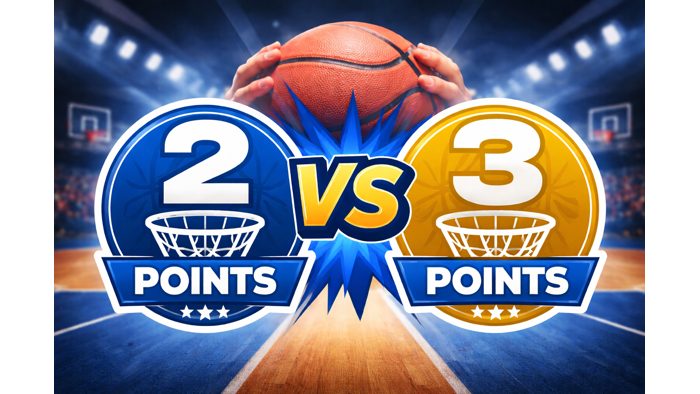
2 points vs 3 points youth basketball comparison graphic
2’s VS 3’s: Building strong scoring habits inside the line leads to better long-term development.

Walk into almost any youth basketball gym and you’ll see it right away. Kids pulling up for 3’s, hunting long shots, and trying to play like the NBA.

The problem is not the three-point shot itself.

The problem is that a lot of young players are copying the wrong level of the game too early.

At the youth level, many players would be better off learning how to score 2’s first.

“The goal is not to stop young players from shooting 3’s. The goal is to help them earn better 3’s by first learning how to play well inside the line.”

Copying the highlights instead of the habits

Kids watch NBA games, YouTube clips, and social media highlights. Then they bring that version of basketball into their own games.

That makes sense. They see the best players in the world hitting deep shots, so they want to do the same.

But youth basketball should not look like pro basketball.

Before players worry about range, they need to learn balance, footwork, touch, finishing, and shot selection. Those are the habits that actually build a strong scorer.

Too many 3’s can hide weak fundamentals

A lot of young players are not really shooting 3’s with proper form. They are just trying to get the ball to the rim from too far away.

When that happens, the shot usually changes. The form gets worse. The balance goes. The release gets rushed. Good habits start to disappear.

That is why learning to score from closer areas matters so much.

When players learn to score 2’s, they get more chances to work on footwork, balance, touch, finishing, and decision-making. That is what creates real confidence.

A better scorer is not just a longer shooter

In youth basketball, it is easy for the 3 to become a shortcut.

Instead of learning how to attack the basket, stop under control, use the body, or make the right read, some players settle for long shots over and over.

But the best young scorers are usually the ones who can do more than one thing.

They can get to the rim. They can finish. They can play under control. They can make decisions in traffic. They can score without needing the farthest shot on the court.

Once that part of the game is built, the 3 becomes much more dangerous later on.

More 2’s can actually make a player harder to guard

This is the part people miss.

Taking more 2’s does not mean playing scared. It means learning how to put pressure on the defence.

When a player can attack gaps, cut, finish, and score from strong spots on the floor, the defence has to react. That opens up the whole game.

A player who can only hunt 3’s is easier to defend than a player who can score from everywhere inside the arc.

That inside game is what gives the outside shot real value later.

Final thought

The best young players are not the ones who copy the NBA the fastest.

They are the ones who build the right habits first.

Learning how to score 2’s, make better decisions, and play under control gives young players a much stronger base for the future.

Because in youth basketball, better 2’s now often lead to better 3’s later.

Full Circle: Reconnecting with NBA Stars at the No Flukes Charity Event

Posted by North City Bruins Staff
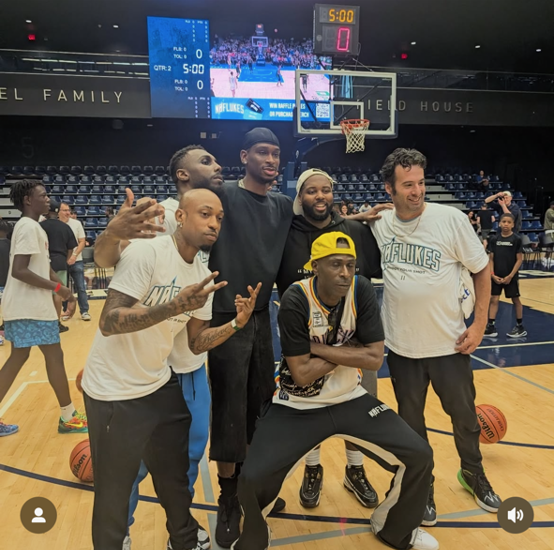
Coach Jeff and the No Flukes team on court
COURT SESSION: Coach Jeff Saltzman (right) stands alongside the coaching staff and players at the No Flukes charity event. The event brought together top talent to inspire youth players in the community.

Basketball has a way of bringing people back together, often when you least expect it. For North City Bruins Head Coach Jeff Saltzman, that moment came recently thanks to a call from Vaughan Alexander, father of NBA superstar Shai Gilgeous-Alexander.

Jeff was asked to coach the No Flukes Charity Event, a special showcase designed to give back to the community and inspire the next generation of hoopers. For Jeff, the invitation was more than just a coaching gig; it was a reunion years in the making.

"It was incredible to see them again. I coached Shai and Nickeil back at the JCC when they were just kids starting out. To see where they are now, on the world stage, is something special." — Coach Jeff
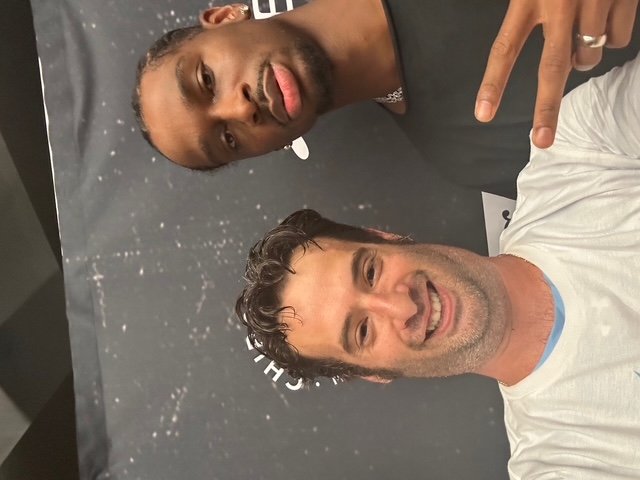
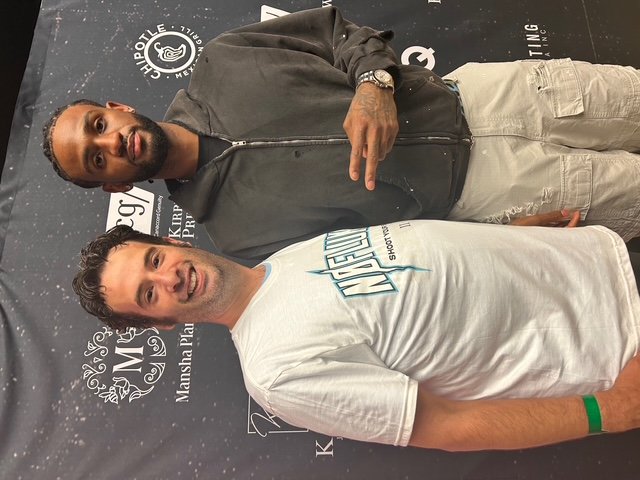
Coach Jeff with Shai Gilgeous-Alexander
REUNITED: Jeff catches up with NBA All-Star Shai Gilgeous-Alexander.
Coach Jeff with Nickeil Alexander-Walker
NEXT GEN: Jeff with Minnesota Timberwolves guard Nickeil Alexander-Walker.

Long before the max contracts and NBA stardom, Shai Gilgeous-Alexander and his cousin, Nickeil Alexander-Walker, were just talented kids in the gym, working on their handles and jump shots under Coach Jeff’s guidance at the JCC. Reconnecting with them at the event brought everything full circle.

Watching them interact with the young players at the charity event was a powerful reminder of why we do this. It’s not just about drills and skills; it’s about the community, the mentorship, and the pathway that starts in local gyms just like ours.

Meeting a Legend: The Answer

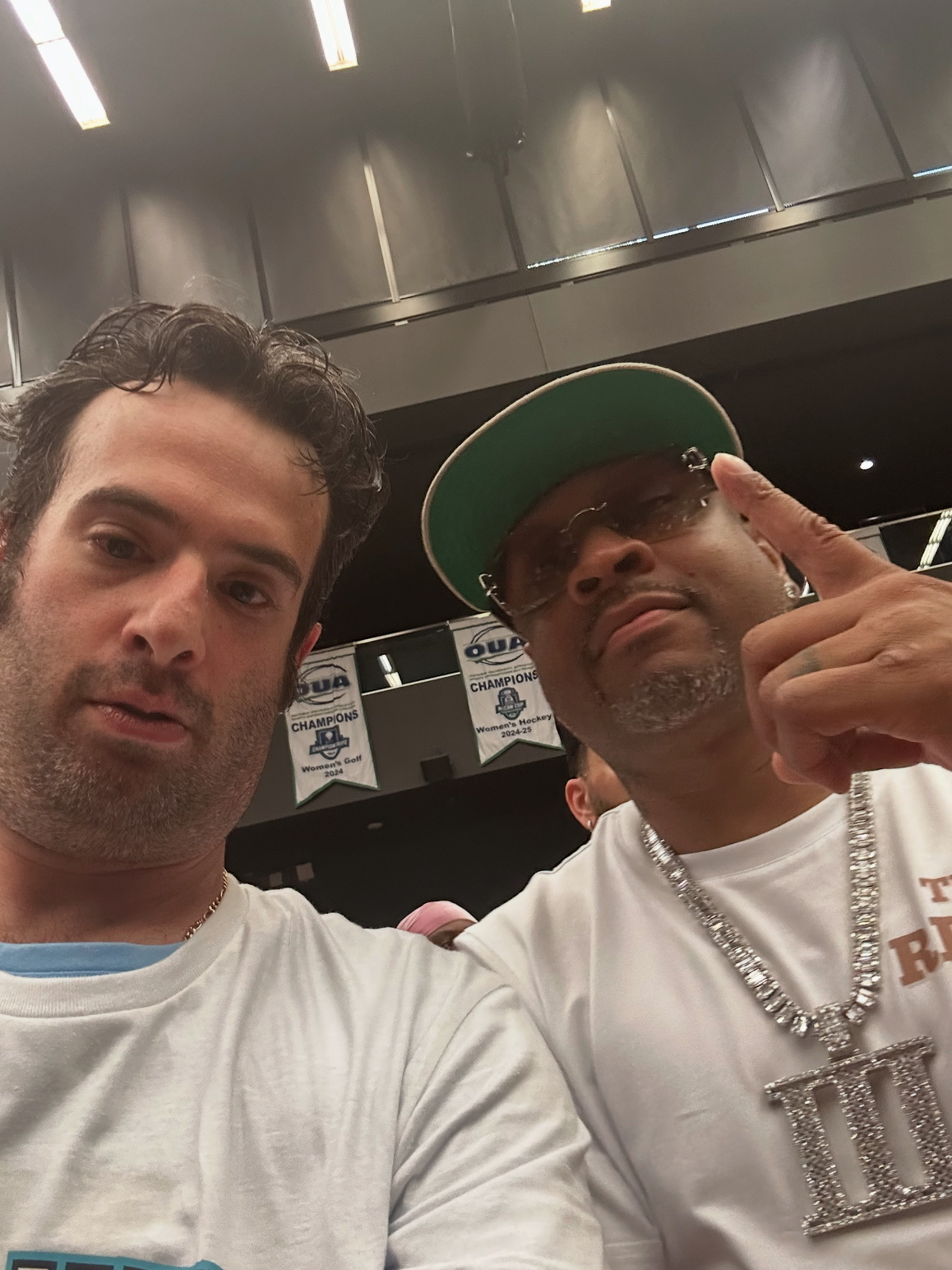
Coach Jeff with Allen Iverson
CHILDHOOD HERO: Jeff shares a moment with NBA Hall of Famer Allen Iverson ("The Answer"), one of his biggest inspirations growing up.

As if reconnecting with former players wasn't enough, the night held another massive surprise. Jeff had the chance to meet one of his own childhood heroes: the legendary Allen Iverson.

For any basketball lifer, crossing paths with "The Answer" is a surreal moment. Standing on the same court with an icon who defined a generation of basketball culture was the perfect capstone to an already memorable day. It was a reminder that no matter how long you've been in the game, whether you're a young camper or a veteran coach, you never stop being a fan.

"I was excited to reconnect with Shai and Nickeil, but meeting AI was something else entirely," Jeff said. That same passion for the game, from the legends who inspired us to the next generation we're building today, is exactly what North City Bruins is all about.